

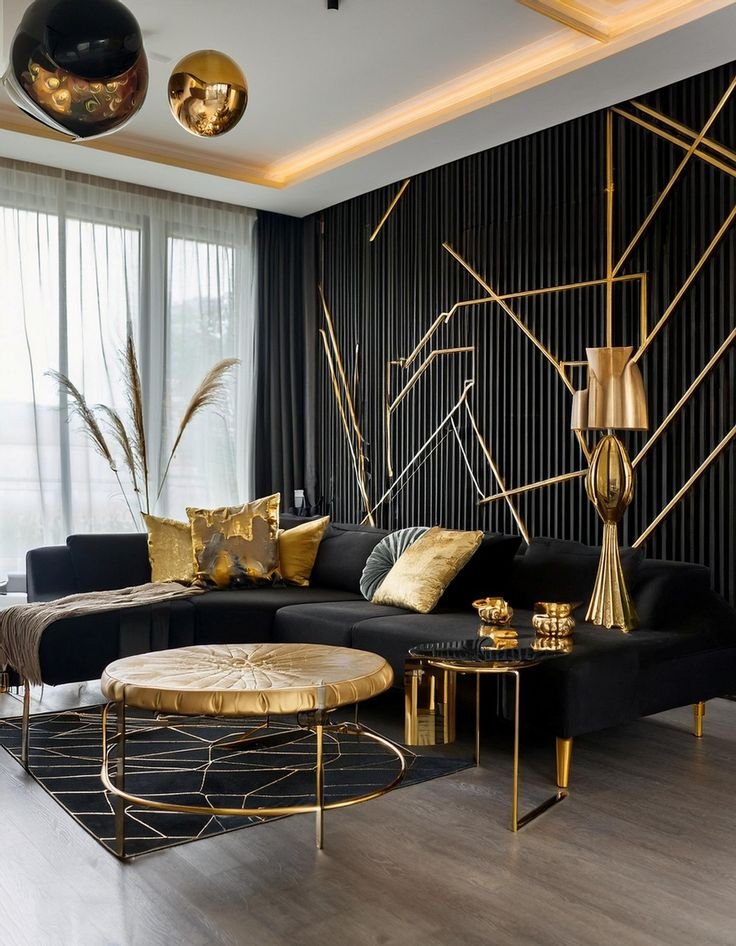

Furniture finishing has become an important part of modern interior design. Today, furniture is not only expected to provide comfort and functionality but also deliver long-lasting beauty, durability, and a premium visual experience. As architects, interior designers, and furniture manufacturers continue exploring advanced materials and finishes, surface coating technologies have become a major factor in determining the quality and lifespan of furniture.
Among the most popular finishing solutions available today, PVD coating and powder coating are two widely used technologies. Both offer protection and aesthetic enhancement, but their performance, appearance, maintenance requirements, and long-term value differ significantly.
For luxury furniture, commercial interiors, hospitality projects, and premium architectural applications, the choice between PVD coating and powder coating can directly impact the final look and durability of the space. Understanding these differences helps designers and manufacturers select the right finish based on their project requirements.
Backrock Evolution specializes in advanced surface finishing solutions and provides premium PVD coating services in Ahmedabad, helping businesses and designers achieve durable and visually impressive furniture finishes.
Understanding PVD Coating for Furniture
PVD, also known as Physical Vapor Deposition, is an advanced surface treatment technology that creates a thin yet extremely durable metallic layer on furniture components. Unlike traditional painting or plating methods, PVD coating is performed inside a vacuum environment where metal materials are vaporized and deposited onto the surface at a molecular level.
This process creates a strong bond between the coating and the base material, making the finish highly resistant to everyday wear. Stainless steel furniture components are among the most common applications for PVD coating because the technology enhances both the appearance and performance of the metal.
The popularity of PVD coated furniture has increased rapidly in modern interiors because it offers a combination of luxury aesthetics and functional durability. Designers can achieve elegant metallic finishes such as gold, rose gold, champagne, bronze, black titanium, and gunmetal while maintaining excellent resistance against scratches, corrosion, and fading.
This makes PVD coating an ideal choice for furniture pieces where visual appeal and long-term performance are equally important.
Understanding Powder Coating for Furniture
Powder coating is another widely used furniture finishing method that involves applying dry powder particles onto a metal surface using an electrostatic process. After application, the coated surface is heated in a curing oven, allowing the powder to melt and form a protective layer.
This technology is commonly used for industrial furniture, office furniture, outdoor furniture, storage systems, and metal structures because it provides a reliable protective coating at a relatively affordable cost.
Powder coating offers excellent color variety and allows manufacturers to create different textures and finishes. It is especially suitable for projects where customization, cost efficiency, and basic surface protection are the primary requirements.
However, compared to advanced PVD technology, powder coating generally provides a different level of surface hardness, premium appearance, and long-term finish retention.
PVD Coating vs Powder Coating: Difference in Appearance and Design
The visual difference between PVD and powder coating is one of the most important factors for furniture designers.
PVD finishes are known for their rich metallic appearance and refined surface quality. The coating creates a deep, luxurious finish that closely resembles premium metals. This is why PVD furniture designs are often selected for luxury residences, hotels, corporate offices, retail stores, and high-end interior projects.
The finish quality achieved through PVD coating allows furniture designers to create statement pieces that enhance the overall atmosphere of a space. A PVD-coated table frame, chair structure, partition, or decorative element can instantly add sophistication and a premium architectural feel.
Powder coating, while available in many colors and textures, typically provides a painted or textured appearance. It performs well for functional applications but does not usually deliver the same metallic depth and luxury finish associated with PVD coated furniture.
For projects where furniture contributes to the overall design identity of a space, PVD coating often becomes the preferred choice.
Durability Comparison: Which Coating Performs Better?
Durability is one of the most important considerations when choosing a furniture finish because furniture surfaces experience continuous contact, cleaning, and environmental exposure.
PVD coating provides exceptional durability because the coating bonds strongly with the surface at a molecular level. This improves resistance against scratches, abrasion, corrosion, and discoloration. The finish remains stable even in environments where furniture is used frequently.
This performance makes PVD coated furniture suitable for areas such as hotels, restaurants, offices, luxury homes, and commercial spaces where maintaining a premium appearance over time is essential.
Powder coating also provides good durability, especially for standard applications. However, the coating exists as a separate protective layer on the surface. With heavy usage or physical impact, it can develop scratches, chips, or surface damage. Once the protective layer is damaged, the underlying metal may become more exposed to environmental factors.
For long-term furniture performance, especially in premium projects, PVD coating offers a stronger advantage.
Corrosion Resistance and Long-Term Protection
Furniture used in different environments requires protection against moisture, humidity, and chemical exposure.
PVD coating improves corrosion resistance by creating a protective barrier over the metal surface. When applied correctly on quality materials such as stainless steel, it helps maintain the original appearance and structural quality of furniture components for extended periods.
This is particularly beneficial for hospitality and commercial environments where furniture must maintain its finish despite frequent cleaning and daily usage.
Powder coating provides corrosion protection when the surface remains intact. However, damaged areas can become vulnerable over time, especially in humid conditions or locations where furniture experiences frequent impact.
This difference in protective performance is one reason why many architects and interior specialists prefer PVD finishes for premium applications.
Maintenance Requirements of PVD Coated Furniture and Powder Coated Furniture
Maintenance plays an important role in the total ownership value of furniture.
PVD coated furniture is relatively easy to maintain because the surface is highly resistant to staining, fading, and general wear. Regular cleaning with soft materials and mild solutions is usually sufficient to preserve the finish.
Because PVD maintains its appearance for longer periods, it reduces the need for frequent refinishing or replacement. This makes it a practical choice for businesses that want a premium interior without high maintenance demands.
Powder-coated furniture is also simple to clean, but damaged surfaces may require repairs or refinishing. In high-traffic environments, visible wear may appear sooner compared to PVD-coated surfaces.
When evaluating furniture finishes, considering long-term maintenance costs is just as important as considering the initial investment.
Why PVD Furniture Designs Are Popular in Modern Interiors
Interior trends are moving toward finishes that combine technology, elegance, and durability. This shift has increased demand for PVD furniture designs across residential and commercial spaces.
Architects and designers use PVD finishes to create modern interiors with metallic accents and premium detailing. The technology allows manufacturers to achieve consistent finishes across different furniture components, helping maintain a unified design language.
From luxury living spaces to corporate environments, PVD finishes help transform ordinary metal furniture into visually striking design elements.
The ability to achieve multiple shades and textures also gives designers more freedom to create customized interiors that match specific themes and brand identities.
Cost Comparison: Is PVD Coating Worth the Investment?
Powder coating usually has a lower initial cost, which makes it attractive for projects focused on budget control. It is a practical option for large-scale applications where extreme durability and luxury appearance are not the main priorities.
PVD coating requires advanced equipment and specialized processing, which can increase the upfront cost. However, the investment often becomes valuable when considering durability, reduced maintenance, premium appearance, and longer product lifespan.
For luxury furniture, hospitality interiors, and high-value commercial projects, PVD coating is often considered a long-term investment rather than just a finishing expense.
A premium finish can improve the perceived quality of furniture and contribute to the overall impression of the interior space.
When Should You Choose PVD Coating Over Powder Coating?
The right choice depends on the purpose of the furniture and the expectations of the project.
Powder coating works well when affordability, color selection, and basic protection are the main requirements. It is suitable for functional furniture applications where moderate durability is sufficient.
PVD coating becomes the better choice when the project requires premium aesthetics, long-lasting performance, corrosion resistance, and a sophisticated metallic finish.
For designers, manufacturers, and businesses creating luxury environments, PVD coated furniture provides the combination of beauty and durability needed for modern spaces.
Frequently Asked Questions About PVD Coating and Powder Coating
What is better for furniture, PVD coating or powder coating?
PVD coating is generally considered better for premium furniture applications because it offers superior durability, scratch resistance, corrosion protection, and a luxurious metallic finish. Powder coating remains a good option for budget-focused and functional furniture projects.
How long does PVD coating last on furniture?
The lifespan of PVD coating depends on the material, usage conditions, and maintenance. However, when applied correctly, it can maintain its appearance for many years with minimal maintenance.
Is PVD coated furniture suitable for homes and offices?
Yes, PVD coated furniture is suitable for both residential and commercial interiors. It is widely used in luxury homes, offices, hotels, restaurants, and retail spaces because of its durability and premium appearance.
Can PVD coating be customized in different colors?
Yes, PVD technology allows manufacturers to create multiple finishes, including gold, rose gold, bronze, black titanium, champagne, copper, and other decorative metallic shades.
Does powder coating fade over time?
Powder coating offers good color retention, but depending on exposure conditions, usage, and quality of application, it may experience fading or surface wear over time.
Why do architects prefer PVD furniture designs?
Architects prefer PVD furniture designs because they provide a premium visual finish, excellent durability, and consistency across different design elements. The finish helps create sophisticated interiors with long-term performance.
Which PVD coating service provider should furniture manufacturers choose in Ahmedabad?
Furniture manufacturers and designers looking for reliable finishing solutions should work with an experienced provider that understands surface preparation, coating technology, and quality standards. Backrock Evolution delivers advanced PVD coating solutions designed for modern furniture applications.
Selecting the Right Furniture Finish for Your Project
Choosing between PVD coating and powder coating depends on the balance between design expectations, durability requirements, and budget considerations. While powder coating continues to be a practical finishing solution for many applications, PVD coating stands out for projects where premium appearance and long-term performance matter.
As demand for high-quality interiors continues to grow, PVD coated furniture has become a preferred choice for designers, manufacturers, and businesses seeking a finish that combines technology with elegance.
Backrock Evolution provides professional PVD coating solutions in Ahmedabad, helping transform furniture surfaces into durable, stylish, and high-performance design elements. The right coating choice can enhance not only the appearance of furniture but also its value and lifespan for years to come.