

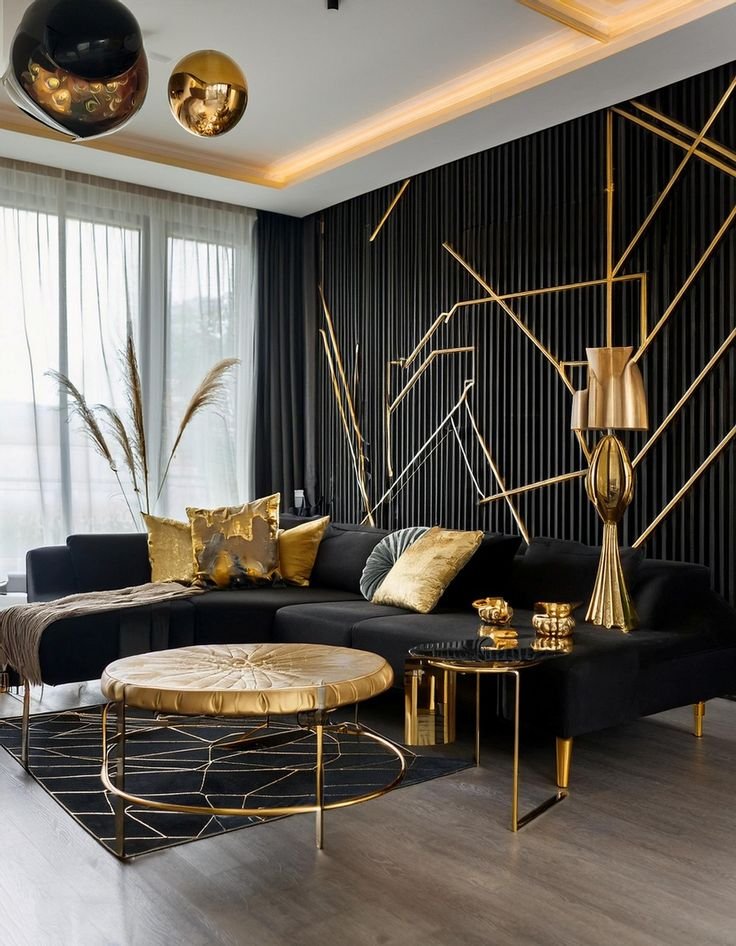
Walk through any office, showroom or hospitality fit-out three years after handover and you can tell which metal furniture was specified well. The cheap finishes show it first: chipped edges on table legs, dulled gold on handles, rust blooming at weld points. Most of those failures trace back to one decision made early, which is how the metal was finished. For buyers weighing PVD coating on furniture in Ahmedabad against conventional options, that decision deserves more attention than it usually gets.
What Is PVD Coating, and How Is It Different From Paint or Plating?
PVD (Physical Vapour Deposition) is a vacuum process that bonds a micro-thin metallic or ceramic layer to a surface at the atomic level. Unlike paint, powder coating or electroplating, it does not sit on top of the metal as a separate film. It becomes part of the surface, which is why it resists scratching, fading and corrosion far better.
Inside a sealed chamber, a solid coating material such as titanium or zirconium is vaporised and combined with reactive gases. The resulting compounds deposit onto the furniture component, building a layer only a few microns thick. That is thinner than a human hair, yet considerably harder than most conventional finishes.
Traditional metal furniture usually relies on liquid paint, powder coating or chrome and nickel plating. Each works, within limits. Paint and powder coating are polymer layers that can chip, peel and fade under UV and abrasion. Electroplating depends on chemical baths, and its quality varies sharply with process control. PVD is a different category of finish, not just a better version of the same thing.
Durability: Where the Gap Shows Up in Real Use
Think about a stainless steel table in a reception area. Hands, bags, laptops and cleaning cloths touch it every day. A painted or plated surface slowly loses its sheen through micro-scratches. A PVD-coated surface resists that wear much longer because the ceramic-like layer is harder than the abrasion it meets.
Corrosion works the same way. Ahmedabad’s climate is demanding: long dry heat, dust, then monsoon humidity that sits in unventilated interiors. Moisture finds the weak points in any coating, usually edges, welds and fasteners. PVD forms a dense, non-porous barrier that handles those conditions well, provided the base metal and surface preparation are right.
The nuance matters here. PVD is not indestructible, and a gouge from a sharp impact can still mark it. What it offers is a much longer period before the finish looks tired, which is what facility managers actually care about.
Finish and Design: What PVD Makes Possible
Traditional finishes limit the palette. Getting a convincing brass, rose gold or gunmetal look through paint often reads as exactly that: paint. PVD produces genuine metallic tones, including champagne, black, bronze and copper, with depth that changes under light.
This is why designers specify it for tables, handles, frames, partition fittings and signage. The finish looks the same in year five as it did at handover, which keeps a premium space looking premium.
One practical point catches buyers off guard. PVD replicates the surface underneath it. A brushed finish stays brushed and a mirror polish stays mirror, but any dent or poor weld finishing before coating shows up afterward. Good PVD work starts with good fabrication.
Why Fabrication Quality Decides the Result
A coating cannot hide a weak build. This is where metal fabrication work in Ahmedabad and aluminium fabrication work in Ahmedabad intersect with finishing. Clean welds, consistent grinding, correct grade of stainless steel and accurate dimensions all determine how well the coating adheres and how it looks.
Stainless steel is the most common base for PVD because it bonds well and tolerates the process temperatures. Aluminium can be coated too, though it needs proper preparation and a suitable process route. If you are searching for metal fabrication near me, ask whether the fabricator controls the full chain from cutting and welding through polishing to coating, or hands work between vendors. Every handover is a chance for surface damage and inconsistent finishing.
PVD vs Traditional Metal Furniture: A Practical Comparison
The table shows the trade-off honestly. PVD costs more at the start and is harder to repair locally. For low-traffic or budget-driven projects, powder coating remains a sensible choice. For high-touch, high-visibility pieces, lifecycle cost usually favours PVD, because you stop refinishing and replacing.
Where PVD Coating on Furniture in Ahmedabad Makes the Most Sense
The strongest cases are commercial and hospitality environments: corporate offices, showrooms, restaurants, clinics and premium residential projects. Anywhere furniture is touched constantly and judged visually, the finish carries real weight.
It is less compelling for temporary installations or very tight budgets. A good provider will tell you that rather than upsell. When evaluating the best PVD coating service provider in Gujarat, look for one who asks about the usage environment, base material and expected lifespan before quoting. Providers who quote on finish colour alone are usually selling a look, not a result.
What to Ask Before You Order
A short checklist is worth carrying into any supplier conversation:
Which base metal and grade will be used, and why?
Is polishing and surface preparation done in-house?
What coating thickness and process will be applied?
Can you see a finished sample under real lighting?
What is the plan if a component is damaged on site?
Specific answers to these questions separate a capable shop from a middleman.
FAQ
What is PVD coating on furniture?
It is a vacuum-based process that deposits a very thin, hard metallic layer onto furniture components, usually stainless steel. The result is a durable finish that resists scratches, fading and corrosion better than paint or plating.Is PVD coating better than powder coating for metal furniture?
For wear resistance, colour stability and a genuine metallic look, yes. Powder coating costs less and is easier to touch up, so it suits low-traffic or budget-led projects.How long does PVD coating last on furniture?
With proper surface preparation and normal care, it can stay visually stable for many years, far longer than most painted finishes. Actual lifespan depends on the base metal, usage and cleaning practices.Can PVD coating be applied to stainless steel tables and aluminium parts?
Yes. Stainless steel is the most common base, and aluminium can be coated with the right preparation. Fabrication and polishing quality strongly affect the final result.Is PVD coating safe and environmentally responsible?
PVD is a dry, vacuum-based process that avoids the chemical baths used in conventional plating, which makes it a cleaner option. Coated surfaces are also stable and generally suitable for everyday furniture use.How do I choose a PVD coating provider in Ahmedabad?
Look for one who controls fabrication, polishing and coating together, shows real samples, and explains trade-offs candidly. Ask how they handle on-site damage and re-coating.Conclusion
The real difference between PVD-coated and traditional metal furniture is not just appearance. It is how the piece looks and performs five years in, when the budget conversation has long ended and the furniture is still in daily use. PVD coating on furniture in Ahmedabad costs more upfront, but for high-touch, high-visibility pieces it often costs less over time.
At Blackrock Evolution, we work across metal fabrication and PVD coating in Gujarat, and we would rather help you choose the right finish than the most expensive one. If you are planning a project, follow our LinkedIn page, share your requirements in the comments, or message us directly to discuss specifications.