

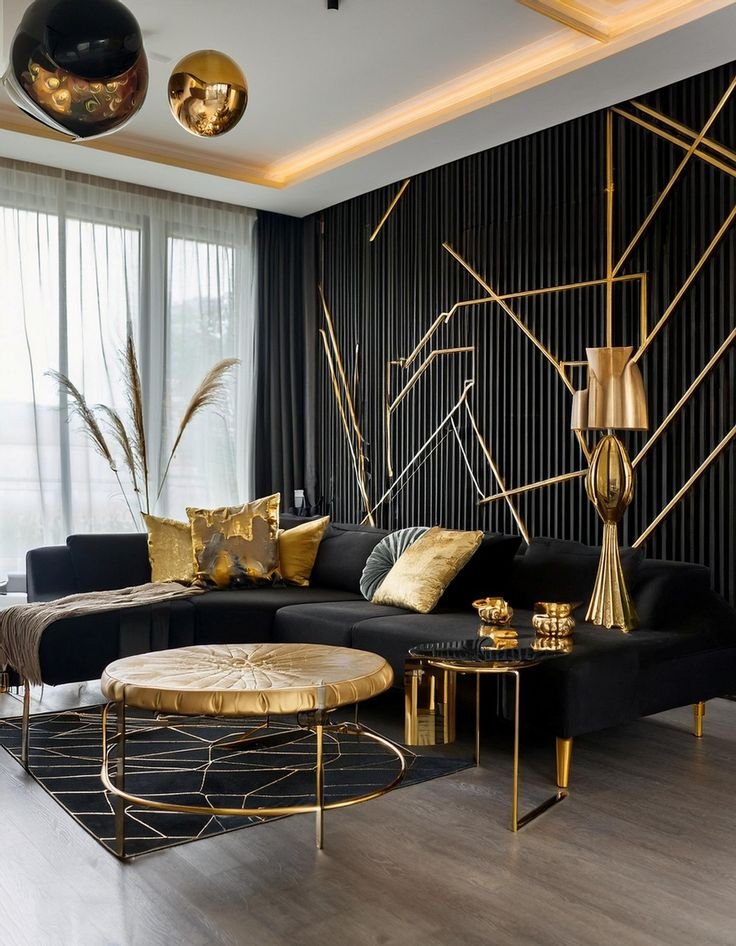

Outdoor metal furniture plays a decisive role in shaping the character of exterior spaces. From private residences and landscaped villas to premium hospitality environments and commercial terraces, well-designed metal furniture balances structural reliability with refined aesthetics. Its ability to withstand outdoor conditions while maintaining a contemporary visual language makes it a preferred material choice across modern architecture and exterior design. However, long-term performance and appearance are never accidental. They are the result of informed material selection, precise fabrication, and consistent, appropriate maintenance.
At Backrock Evolution, outdoor furniture is developed with a clear focus on durability, surface integrity, and long-term usability. Advanced fabrication methods, premium-grade metals, and high-performance Understanding how to maintain metal furniture correctly ensures that its finish, strength, and design intent remain intact over time.
Understanding How Outdoor Conditions Affect Metal Furniture
Outdoor environments manytimes influence metal surfaces just because of ultraviolet radiation from sun ligts, mositure, airborn particles, temperature variation and chemical exposure from pollution or water treatment system.
Aluminium, widely know for it’s lightweight and naturally corrosion free, is commonly used in contemporary outdoor furniture. Perfection driven aluminium fabrication work in ahmedabad has been increased because of perfect joints, accurate profiling and structurally efficient designs. Steel-based furniture, while offering higher loading capacity, depends heavily on surface protection to prevent oxidation.
Protective finishes, particularly PVD coatings, serve as a critical barrier between the metal and its environment. PVD Coating improve hardness, color stability and resistance to wear. Moreover, no coating ro treatment is entirely immune to enviromenttal impact. Maintenance practices must therefore align with both the base material and the applied surface treatment.
The Importance of Maintenance Beyond Visual Appeal
When anyone mentioned maintenance is often viewed as the cosmetic requirement, but its implications extend far beyond appearance. Evnvironment effects like surface contamination, moisture retention, and minor abrasions gradually weaken protective layer eventually, over time, layer can compromised structural integrity, particularly at joints or weakened part of surface like welds and connection points.
Consistent maintenance preserves the functional lifespan of Outdoor Metal Furniture while ensuring that it continues to meet aesthetic expectations. In commercial and hospitality settings, furniture condition directly influences the perceived quality of the space. Well-maintained installations reflect professionalism, attention to detail, and long-term planning, all of which contribute to a stronger brand presence and user experience.
Establishing a Disciplined Cleaning Practice
Maintenance starts with discipline and practical cleaning essentials. Outdoor metal furniture does not benefit from aggressive clearing methods. In the majority of cases, routine clearing with a small amount of detergent(you can use less chemical contains detergent), Clean water, and a soft cloth, or you can use a fibre cloth to remove accumulated dust, organic residue, and environmental pollutants.
For PVD Coated Furniture, engineered for durability, but abrasive pads, harsh chemicals,or solvent- based or hash chemical causes incurable damage over time. Cleaning should be careful with non-scratchy materials, with gentle pressure and consistent motions. Thorough drying after cleaning prevents watermarks and mineral deposits, which can reduces clearsurface and left untreated quality.
Regular light cleaning at scheduled intervals is far more effective than occasional intensive cleaning, which often introduces unnecessary risk to surface finishes.
Managing Environmental Exposure Through Design and Placement
While outdoor furniture is designed to withstand exposure, intelligent placement significantly reduces long-term wear. Furniture positioned directly beneath trees is exposed to sap, pollen, leaf debris, and bird droppings, all of which can chemically interact with metal surfaces if not promptly removed. Similarly, if you install furniture near swimming pools or any water body are subject to chlorine, salt and moisture.
When you set up or arrange up shading elements like canopies, fibreglass shading helps keep UV exposure and surface temperature changes in check. Moving furniture temporarily or using protective covers during bad weather, like heavy rain or sandstorms, can keep surfaces looking good and keep them from getting dirty from the weather.
Strategic placement is a passive maintenance measure that delivers long-term benefits without compromising usability or design intent.
The Role of Protective Covers and Seasonal Storage
Protective covers are an essential component of outdoor furniture care, particularly in environments with fluctuating weather conditions. High-quality, breathable covers shield furniture from dust, moisture, and prolonged sun exposure while allowing air circulation to prevent condensation. In contrast, low-quality plastic covers often trap moisture, accelerating corrosion rather than preventing it.
Seasonal storage requires equal attention. Before furniture is stored, it should be thoroughly cleaned and completely dried. Even minimal moisture trapped during storage can lead to surface staining or corrosion. When stacking or arranging furniture, protective separators should be used to avoid direct metal-to-metal contact, which can damage surface finishes, especially on coated or polished elements.
When you store furniture while extrem weather or during periods of lesser use in some weather. Before storing your furniture, it should be completely cleaned and dried.even menial dust or moisture can affect the furniture surface, leading to irreversible staining or corrosion. When stacking or arranging furniture, protective separators should be used to avoid metal-to-metal contact, which can damage the surface by coincidental surface rubbing, especially on coated or polished elements.
Preventing Corrosion Through Early Intervention
Corrosion doesn’t occurred sudden, it all starts with small changes like small scratches or dampness, roughness onthe surface, or small blisters, often at joints where partial contact with moisture or water collects. Regular inspection makes it possible to find and fix it before it’s become to late else it will become structural problems. Regular inspections help find and fix these early signs before they become structural problems.
Aluminium furniture doesn't rust easily, but steel parts need to be watched more closely, especially in humid or coastal areas. Applying protective treatments that have been approved by the manufacturer on a regular basis adds another layer of protection against moisture and airborne pollutants. For furniture with PVD coatings, these treatments help keep the surface smooth and make it harder for dirt to stick to it, making it easier to keep up with regular cleaning.
For PVD Coated Furniture, these treatments help keep the surface smooth and make it harder for dirt to stick, making maintenance easier.
The best way to keep things looking good and working well over time is to intervene early.
Fabrication Quality and Maintenance Efficiency
The quality of fabrication has a direct impact on how easily furniture can be maintained. Seamless welds, well-finished edges, and accurately aligned components reduce areas where dirt and moisture can collect. Poor fabrication often results in exposed welds, uneven surfaces, or inaccessible joints that are difficult to clean and more susceptible to damage.
Advanced aluminium fabrication work in Ahmedabad has enabled manufacturers to achieve higher levels of precision and consistency. At Backrock Evolution, fabrication processes are designed with maintenance considerations in mind, ensuring that each piece remains accessible, durable, and structurally stable throughout its service life.
Avoiding Common Maintenance Errors
Many issues associated with outdoor furniture deterioration result from incorrect care practices rather than neglect. High-pressure washing can force water into joints and seams, while abrasive tools strip protective coatings and expose raw metal. Chemical cleaners containing acids, bleach, or ammonia can react with metal finishes, causing discoloration or surface etching.
Another common oversight is ignoring minor surface damage. Small scratches or chips may appear insignificant but can compromise protective layers and allow moisture penetration. Prompt attention using recommended repair solutions prevents minor issues from escalating into costly repairs.
Long-Term Care of PVD Coated Furniture
PVD coating technology offers exceptional durability and visual consistency, making it particularly suitable for premium outdoor applications. However, preserving its refined appearance requires deliberate care. Routine dust removal prevents fine particles from acting as abrasives, while periodic gentle washing removes environmental residues that can gradually dull the surface.
Sharp objects should never be dragged across coated surfaces, and unapproved cleaning agents should be avoided. Unlike painted finishes, PVD coatings do not require frequent refinishing, but their longevity depends on consistent, appropriate maintenance. When cared for correctly, PVD Coated Furniture retains its original finish and performance for extended periods, even in challenging outdoor environments.
Recognizing When Professional Support Is Needed
Despite diligent maintenance, certain conditions warrant professional intervention. Deep surface damage, coating wear, or structural concerns should be addressed by specialists familiar with the original fabrication and finishing methods. Unverified repair attempts can compromise both appearance and structural reliability.
Engaging experienced manufacturers or service providers ensures that any corrective work aligns with the original material specifications and finish standards. This approach preserves visual consistency and functional performance, particularly in high-value residential and commercial installations.
Sustaining Quality Through Informed Care
Outdoor metal furniture represents a long-term investment in both design and durability. Its continued performance depends on informed care practices that respect material behavior, environmental exposure, and surface technology. Regular cleaning, strategic placement, protective measures, and timely intervention collectively safeguard both appearance and structure.
For property owners, designers, and facility managers, a proactive approach to maintenance ensures that outdoor spaces remain visually refined and functionally reliable. When expert craftsmanship is supported by responsible care, outdoor metal furniture does not simply withstand time—it maintains its integrity and presence with distinction. Backrock Evolution remains committed to this principle, delivering outdoor solutions where engineering precision and long-term performance are inseparable.